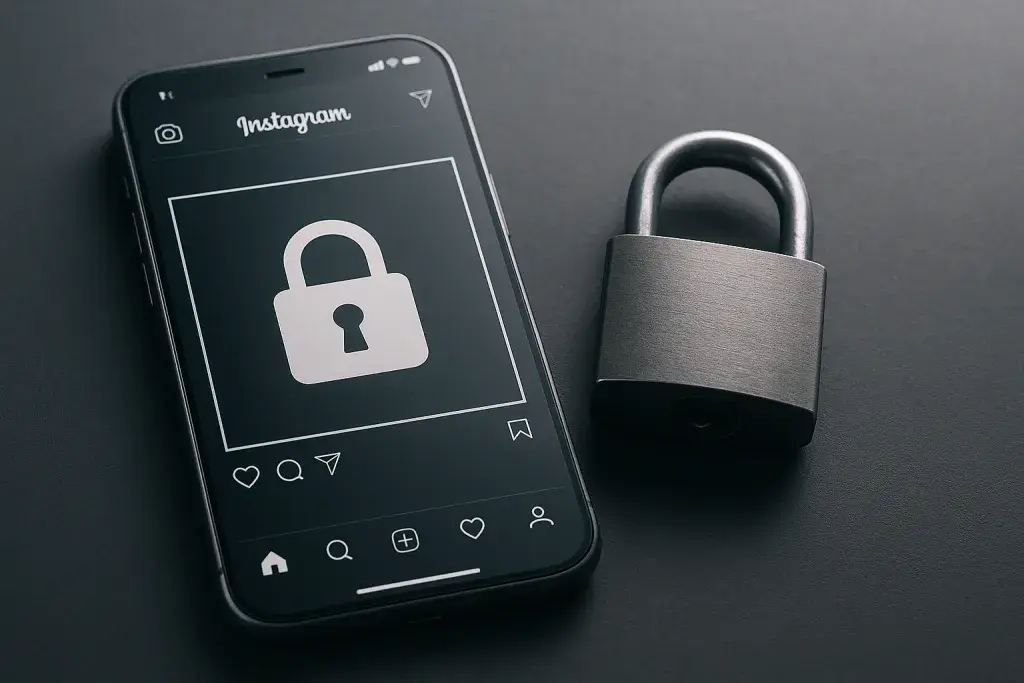
A single post on Instagram can now hide behind a wall that only opens when someone likes, comments, or follows. That's not a bug or a glitch in your feed - it's a feature the platform has been rolling out, and it's changing how creators think about visibility versus control. For years, the unspoken rule of social media was simple: post it, and hope people see it. Locked posts flip that logic on its head.
Instagram locked posts what is the first thing most people type into their search bar when they encounter one of these blurred, gated images for the first time, and the confusion is understandable. The idea sounds straightforward - content that requires an action before it fully reveals itself - but the reasoning behind it, the way it interacts with the algorithm, and whether it actually helps or hurts a creator's growth are far less obvious. Some accounts have started using this feature alongside other growth tactics, including apps that boost instagram followers, to see whether locked content paired with a larger audience base produces stronger engagement results.
This piece breaks down exactly how the feature functions, why Instagram built it, and what the early data and user reactions suggest. We'll look at instagram locked posts explained in practical terms, cover what's changing as we head into instagram locked posts 2026, and round up the latest instagram locked posts news so you can decide, with real information in hand, whether this feature belongs in your content strategy.
What Are Instagram Locked Posts? (Instagram Locked Posts What Is)
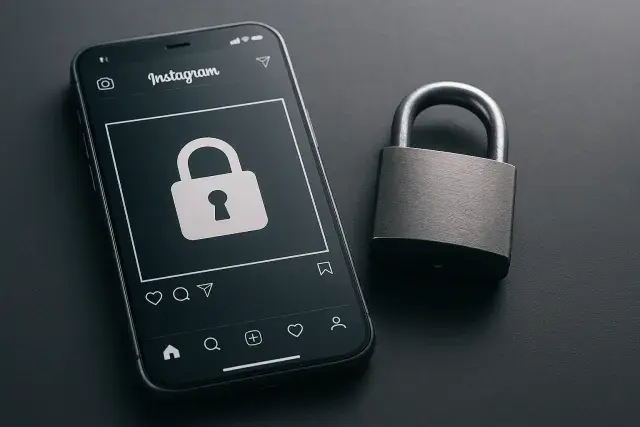
At its core, a locked post is a piece of content - a photo, carousel, or Reel - that appears in a feed but stays partially obscured until the viewer completes a specific action. That action might be liking the post, leaving a comment, or following the account if they don't already. Once the condition is met, the content unlocks and displays normally.
This is different from a private account, where the entire profile is hidden from non-followers, and it's different from a close friends list, which restricts visibility to a hand-picked group. Instagram locked posts, by contrast, are visible to anyone who encounters them - the post shows up in the feed, complete with a caption and a blurred or partially covered thumbnail, but the full content stays gated until the viewer takes the requested step.
- The post appears in feeds and search results with a visible but obscured preview.
- Unlocking requires a specific action defined by the creator, such as a like, comment, or follow.
- The feature works across photos, carousels, and Reels.
- Locked posts remain public in the sense that anyone can attempt to unlock them - they aren't restricted to a private list.
A creator running a giveaway, for example, might lock the announcement post so that only people who follow the account can see the full details. It's a simple mechanic, but it changes the psychology of scrolling: instead of passively viewing content, the audience has to decide whether the payoff is worth the small effort of interacting first.
How Instagram Locked Posts Work (Instagram Locked Posts Explained)
The Unlocking Mechanism
The mechanism behind instagram locked posts explained in simple terms comes down to a conditional trigger attached to the post at the moment of publishing. The creator selects which action unlocks the content - like, comment, or follow - and Instagram tracks whether a given viewer has completed that action. If they have, the post displays in full immediately, without any delay or manual approval from the creator.
This isn't a request that needs to be reviewed one by one. It's automatic and instantaneous, which is part of why the feature works at scale even for accounts with large audiences. The lock can also be combined with other formats - a locked Reel functions the same way as a locked photo, with the video staying blurred or muted until the unlock condition is satisfied.
Setting Up a Locked Post Step-by-Step
Creating a locked post follows a predictable sequence, similar to publishing any other content on the platform, with one extra decision point built in.
- Open the post creation screen and select the photo, carousel, or Reel you want to share.
- Navigate to the advanced settings before publishing.
- Choose the lock option and select which action will unlock the content - like, comment, or follow.
- Write a caption that clearly explains what viewers need to do to see the full post.
- Publish the post and monitor engagement to see how the audience responds.
The step that trips up most first-time users isn't the setup itself - it's choosing an unlock condition that's too demanding. Requiring a follow for every locked post, for instance, can feel transactional to an audience that hasn't built trust with the account yet. A lighter touch, such as a like or comment, tends to produce better results for accounts still growing their base.
Why Instagram Introduced Locked Posts
Instagram's decisions rarely happen in isolation. The platform has spent several years adjusting its algorithm to reward interaction over passive viewing, and locked posts fit squarely into that pattern. By making full visibility conditional on a like, comment, or follow, Instagram creates a built-in incentive for exactly the kind of activity it wants to measure and reward.
There's also a competitive angle. Other platforms have experimented with gated or conditional content for years, and Instagram's version borrows from that same logic while adapting it to its own feed structure. For creators, the appeal is straightforward: a tool that nudges casual scrollers into becoming active participants, even if only for a moment, can meaningfully shift how a post performs.
Organic reach has been a persistent frustration for creators on Instagram, and locked posts represent one attempt to address that by tying visibility directly to engagement. Whether that trade-off benefits the creator or simply benefits Instagram's own metrics is the question worth examining next.
Pros and Cons: Is It Worth Using Locked Posts?
The honest answer depends on what kind of account is using the feature and how it's deployed. Locked posts can genuinely boost interaction rates, but they carry real risks if overused or applied without a clear purpose.
| Aspect | Benefit | Risk / Drawback |
|---|---|---|
| Engagement | Encourages likes, comments, or follows before content is revealed | Can feel manipulative if used on every post |
| Follower growth | Follow-to-unlock posts can convert casual viewers into followers | May discourage new visitors who dislike the extra step |
| Audience trust | Creates curiosity and a sense of exclusivity | Overuse can erode goodwill and feel gimmicky |
| Content discoverability | Locked posts still appear in feeds, keeping the account visible | Some users scroll past without bothering to unlock |
A single locked post tied to a genuinely valuable reveal - a product launch, a giveaway, an announcement - tends to perform well. The same tactic applied to routine daily content quickly wears thin, and audiences notice when a gate feels arbitrary rather than purposeful.
Locked Posts vs. Other Instagram Privacy & Engagement Features
Instagram already offers several tools that control who sees what, and locked posts only make sense once you understand where they fit relative to the others.
| Feature | Purpose | Who Can View | Best Use Case |
|---|---|---|---|
| Locked Posts | Gate full content behind an action | Anyone who completes the unlock condition | Announcements, giveaways, follow incentives |
| Private Account | Restrict entire profile visibility | Approved followers only | Personal accounts wanting full control over audience |
| Close Friends List | Limit Stories to a chosen group | Manually selected followers | Sharing casual, personal updates with a trusted circle |
| Subscriber-Only Content | Offer exclusive content for paying supporters | Paying subscribers | Monetizing a dedicated, engaged audience |
A private account makes sense for someone who wants full control over their audience from the start. A close friends list works for personal moments shared with a small circle. Locked posts occupy a different space entirely - they're public-facing but conditional, designed to convert casual viewers into active participants rather than restrict access outright.
Instagram Locked Posts in 2026: What's New and What's Next
Recent Updates and Rollout Changes
Coverage around instagram locked posts news has focused mainly on gradual rollout patterns, with the feature reaching different regions and account types at different paces. As with most Instagram features, early access tends to go to a limited group before wider availability follows. Creators watching instagram locked posts 2026 developments should expect refinements to how the unlock conditions work, along with possible expansion into new content formats beyond photos and Reels.
The pace of change here matters because features that start as experiments sometimes get scaled back or reshaped based on how creators actually use them. Locking a post around a follow request, for instance, might see adjustments if Instagram determines it's being used aggressively rather than thoughtfully.
Predictions for Creator Strategy Going Forward
Looking ahead, several trends seem likely to shape how locked posts evolve and how creators incorporate them into broader strategy.
- Tighter integration with monetization tools, allowing locked content to connect with paid subscriptions or exclusive offers.
- More granular unlock conditions, potentially letting creators combine actions rather than requiring just one.
- Greater use in advertising and promotional campaigns, where a locked post doubles as a lead-generation mechanism.
- Increased creator experimentation with timing - locking a post for a limited window before revealing it to everyone.
None of this suggests locked posts will replace standard content formats. Instead, they're shaping up to become one more tool in a toolkit that already includes Stories, Reels, and Lives - useful in specific situations, unnecessary in others.
Common Mistakes to Avoid With Locked Posts
Creators new to this feature tend to make a handful of predictable missteps, and avoiding them early saves both time and audience goodwill.
- Locking too much content, which makes the feed feel inaccessible rather than inviting.
- Failing to clearly explain what action is required to unlock the post, leaving viewers confused and likely to scroll past.
- Ignoring how the audience actually responds and continuing to use the same locked format even after engagement drops.
- Treating locked posts purely as a vanity metric booster rather than a tool tied to genuine value, like a real announcement or exclusive offer.
The accounts that get the most out of this feature treat it as an occasional device, reserved for moments that genuinely benefit from a bit of friction - not as a default setting applied to everything they publish.
Questions and Answers
Can anyone see that a locked post exists, even if they can't unlock it?
Yes. Locked posts still appear in feeds and search with a visible thumbnail and caption, even though the full content stays hidden. Only the complete photo, carousel, or Reel remains gated until the unlock condition is met.
Do locked posts affect how the algorithm treats an account?
The feature is designed to encourage engagement actions like likes, comments, and follows, which are signals the algorithm already tracks closely. Whether this translates into better long-term reach depends heavily on how the audience responds rather than the lock itself.
Is this feature available to all account types?
Availability has varied depending on rollout stage and account type, with creator and business accounts typically gaining access before personal accounts. Checking the advanced settings on a new post is the most reliable way to confirm current access.
Can locked posts be used to make money directly?
Locked posts themselves don't process payments, but they can support monetization indirectly by driving follows or engagement toward paid offers, subscriptions, or products mentioned elsewhere in the profile.
Is there a limit to how many locked posts an account can share?
There's no widely confirmed strict cap, but using the feature on every post tends to backfire regardless of any technical limit, since audiences quickly grow tired of repeated gating.
How is a locked post different from a paid partnership tag?
A paid partnership tag simply discloses a brand relationship and doesn't restrict visibility at all. A locked post, on the other hand, controls whether the full content is viewable until a specific action is completed - the two features serve entirely different purposes.