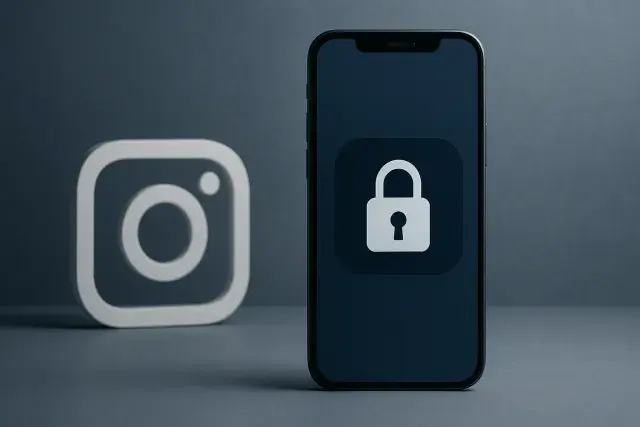
A small padlock icon has started showing up in places it never used to appear - quietly attached to certain posts, hovering in the corner of an image or reel like a tiny warning sign. Users tap on it expecting a normal preview and instead get blocked, redirected, or left staring at a message that doesn't fully explain what happened. That's the experience driving a wave of confused searches and screenshots shared in group chats: what exactly is this feature, and why is it showing up now?
The short answer is that locked posts are part of a broader change in how content visibility and audience control work on the platform. For casual scrollers, the padlock is mostly a curiosity. For creators and brands, it's something closer to a strategic decision - one that affects who sees a post, how it performs, and whether it reaches new followers at all. Anyone paying attention to engagement numbers already knows that visibility restrictions can quietly eat into reach, which is why many accounts also look into methods like how to boost your likes on instagram to counterbalance any dip caused by locked or limited-audience content.
This piece works as a complete instagram locked posts guide: what the feature is, why it exists, how it functions on both sides of the screen, and what's changed most recently. Whether you found a locked post by accident or you're a creator weighing whether to use the setting yourself, you'll leave with a working understanding of how it all fits together.
What Are Instagram Locked Posts? A Clear Definition
Instagram locked posts what is, in plain terms, comes down to a single idea: a post that carries an added layer of restriction, signaled visually by a padlock icon, that limits who can view or interact with it. Unlike a standard public post, which anyone can see regardless of whether they follow the account, a locked post narrows that audience deliberately. The padlock isn't decorative - it's a functional marker telling viewers that something about this content requires a specific condition to unlock, whether that's following the account, subscribing, or meeting some other criterion set by the creator or by Instagram itself.
The feature sits at the intersection of privacy tools and content monetization, which is part of why it can feel unfamiliar. Instagram has spent years building out ways for creators to control audience access - private accounts, close friends lists, restricted comments - but locked posts add a more granular layer that applies to individual pieces of content rather than an entire profile.
- The padlock icon appears directly on the post thumbnail or in the corner of the media itself.
- Visibility is restricted rather than eliminated - the post still exists and can still be unlocked under the right conditions.
- Interaction options like commenting or sharing are often limited or disabled entirely until the post is accessible.
- Certain viewers, such as existing followers or subscribers, may see the content without any restriction at all.
A useful way to picture this: imagine a creator posts a tutorial video, but only followers who've subscribed to a paid tier can view it in full. Everyone else sees the thumbnail and the padlock, with a prompt explaining what's needed to unlock it. That's the core mechanic in action.
Instagram Locked Posts Explained: Why Does This Feature Exist?
Instagram locked posts explained from the platform's perspective usually comes down to control - giving creators a way to manage exactly who sees specific content without changing the privacy setting of their entire account. A public creator with thousands of followers doesn't necessarily want every post visible to everyone; sometimes they want to test content with a smaller audience, reserve certain material for paying subscribers, or reduce exposure to spam accounts and bot engagement that tend to target open, unrestricted posts.
There's also a practical enforcement angle. Instagram uses various signals to flag content that may violate community guidelines or seems to be generating unusual engagement patterns - sudden spikes in comments from suspicious accounts, for example. A lock can act as a temporary measure while the platform reviews a post, rather than removing it outright.
- Algorithmic testing - some locks appear as part of limited rollouts to see how audiences respond to gated content.
- Creator-restricted audiences - deliberate choices to limit a post to followers or subscribers only.
- Subscription or paid content - locking exclusive material behind a membership tier.
- Policy review - temporary restriction while a post is checked against community guidelines.
- Suspicious activity flags - an automatic response to unusual engagement or reported content.
It's worth separating this from similar-sounding tools. A restricted account limits how a specific person can interact with your content across the board. A private account hides everything from non-followers. Locked posts operate at a narrower level - a single piece of content, rather than an entire profile or relationship with one user.
How Instagram Locked Posts Work: Mechanics and User Experience
Understanding the theory behind locked posts only goes so far - the real clarity comes from seeing what actually happens on screen, both for the person viewing the post and the person who created it.
What Happens When You Try to View a Locked Post
For a viewer, encountering a locked post follows a fairly predictable pattern. The thumbnail appears in a feed, profile grid, or shared link, but tapping it doesn't open the content the way a normal post would.
- The user taps the post and sees the padlock icon overlaying the media.
- Instagram displays a message explaining that the content is restricted, often naming the condition required to view it.
- The app presents an action - follow, subscribe, or request access - depending on how the creator configured the restriction.
- If the condition is met, the post unlocks and becomes viewable like any standard piece of content.
- If the viewer declines or doesn't meet the requirement, the post remains locked and inaccessible.
This flow keeps friction relatively low. Rather than hitting a dead end, viewers get a clear next step, even if that step involves following an account they weren't planning to follow.
What Creators See and Can Control
On the creator side, locked posts are managed through account and post-specific settings rather than a single universal switch. A creator can typically choose which posts to lock, define who the exception list includes, and adjust those settings after the fact if the restriction no longer makes sense.
| Setting Name | What It Locks | Who Can Still View | Where to Find It |
|---|---|---|---|
| Follower-only restriction | Post visibility for non-followers | Existing followers | Post settings before or after publishing |
| Subscriber-only restriction | Post visibility for non-subscribers | Paid subscribers | Subscription settings menu |
| Comment restriction | Ability to comment on the post | Approved accounts or followers | Post-level privacy controls |
These controls give creators a way to segment their audience without splitting their content across multiple accounts, which used to be the only workaround for separating free and paid material.
Instagram Locked Posts Latest Updates and Changes
Instagram locked posts latest developments point to a feature that's still being refined rather than one that's fully settled. Rollouts have been uneven, with some accounts gaining access to more granular locking controls while others still see only basic follower-based restrictions. This staggered approach is typical of how Instagram tests features before a wider release - starting with a subset of accounts, gathering feedback, then adjusting based on how creators and viewers actually use the tool.
- Expanded creator controls that allow locking individual posts rather than only entire account types.
- Closer integration with subscription tools, letting creators bundle locked content with paid membership tiers.
- Ongoing testing phases that mean the exact behavior of locked posts can vary depending on account type and region.
- Adjustments to the viewer-facing prompts, aimed at making the unlock process clearer and less confusing.
Because this feature is still evolving, the specifics of what's available to a given account can shift without much warning. Creators relying on locked posts as part of a content strategy should check their settings periodically rather than assuming the options they had last month are still the same today.
Locked Posts vs. Other Instagram Privacy Features: A Comparison
One of the most common sources of confusion is how locked posts relate to other privacy tools Instagram already offers. They sound similar on the surface, but each one operates differently and serves a different purpose.
| Feature | Who Can See Content | Purpose | Reversible? | Best Use Case |
|---|---|---|---|---|
| Locked Posts | Followers or subscribers meeting the set condition | Restrict specific content, often for monetization or testing | Yes | Exclusive or paid content on an otherwise public account |
| Private Account | Approved followers only | Restrict the entire profile from public view | Yes | Personal accounts wanting full control over audience |
| Close Friends | A manually selected list of followers | Share more personal content with a trusted group | Yes | Casual, informal updates for a smaller circle |
| Archived Post | Only the account owner | Remove a post from public view without deleting it | Yes | Temporarily hiding old or outdated content |
| Restricted Account | Everyone except the restricted user sees normal interactions | Limit a specific person's visibility into your activity | Yes | Managing unwanted attention from a single account |
Seeing these side by side makes the distinction clearer: private accounts and restricted accounts deal with people, while locked posts and archived posts deal with content. Close friends sits somewhere in between, since it controls both audience and content simultaneously.
Practical Tips: Managing Locked Posts as a Creator or Viewer
Deciding whether to use locked posts, or how to respond to one as a viewer, comes down to weighing trade-offs rather than following a single rule. Locking content can build exclusivity and support monetization, but it can also reduce discoverability if used too broadly.
- Locking too much content can make an account feel inaccessible, discouraging new followers from engaging at all.
- Overusing restrictions tends to confuse existing followers who expect open access to most posts.
- Heavy reliance on locked content can hurt overall discoverability, since restricted posts are harder to share and surface organically.
- Ignoring engagement analytics after locking a post can mean missing early signs that the restriction is hurting reach rather than helping it.
- When encountering a locked post, check whether following the account is a reasonable trade-off before requesting access.
- Treat unexpected "unlock" prompts with some skepticism, especially if they ask for information beyond a simple follow or subscribe action.
- Recognize that a locked post from an unfamiliar account isn't inherently suspicious, but unusual requests tied to unlocking it can be a red flag.
One point worth flagging directly: phishing attempts sometimes mimic the language of legitimate unlock prompts, asking users to enter login details or personal information on external pages. Genuine locked-post interactions stay within the app and never require sensitive data beyond a follow or subscription action.
Questions and Answers
Can anyone unlock a locked Instagram post besides the creator?
No. Only the account that created the post controls its lock settings. Any third-party tool or service claiming to unlock posts on someone else's behalf should be treated as unreliable or potentially unsafe.
Does locking a post affect the Instagram algorithm or reach?
Restricting visibility generally limits how far a post can spread, since non-followers or non-subscribers can't view or share it. Creators weighing exclusivity against reach should consider whether the trade-off fits their specific goals for that piece of content.
Is the locked post feature available to all users?
Availability varies, since Instagram has rolled the feature out gradually rather than releasing it to every account at once. Some users may see full controls while others only have access to basic follower restrictions, depending on account type and ongoing testing.
How is a locked post different from a subscriber-only post?
Subscriber-only content is a specific application of the locked post mechanic, tied directly to paid membership tiers. A locked post can exist without any payment involved, simply requiring a follow or meeting another condition set by the creator.
What should I do if I see a locked post from someone I don't follow?
Evaluate whether following or subscribing makes sense given your interest in that account. If the unlock process asks for anything beyond a standard in-app action, treat it with caution rather than proceeding.
Can locked posts be a sign of a scam or fake account?
A locked post on its own isn't a reliable indicator of a scam. The warning sign is in the unlock request itself - legitimate restrictions never require external logins, payments outside Instagram's subscription system, or personal information beyond what the platform normally asks for.